
Light the Beacon: Sharing Rural Crime Intelligence
Tune into Episode 27: Light the Beacon – Sharing Rural Crime Intelligence: Link
It’s 2am and a diesel bowser three farms from yours has just been drained dry. A quad bike has gone missing from an unlocked barn. A trailer has disappeared through a gate nobody thought to check. By the time the farmer wakes up to the damage, the offenders are already forty miles down the road, working their way through a list of targets that includes, quite possibly, your yard next. Nobody warned that farmer. Nobody warned you either. That gap, between an incident happening and the people around it finding out, is exactly what the latest episode of the Rural Safeguard podcast sets out to close, and it is why this conversation between Frank Cannon and Paul Crane deserves twenty-five minutes of your time this week.
Paul Crane is not a talking head with an opinion and a microphone. He spent over twenty years in protective security across military, government and private sector environments, including critical national infrastructure, before running security for one of the largest farming groups in the country. He now runs Zulu Alpha, a protective security consultancy, and has founded the Countryside Security Collaboration Forum, or CSCF, a free platform built specifically to fix the one thing that frustrated him most in that job: the sheer lack of timely, reliable information about what is actually happening to farms, land and rural businesses around him.
That gap is bigger than most people think. The conversation digs into why official rural crime figures barely scratch the surface, relying heavily on a single insurer’s annual report that, by its own admission, only captures a fraction of what is really happening. Add in policy excess levels that discourage reporting anything under a few thousand pounds, and a police recording system with a lag measured in months, and you are left trying to defend your business against a threat you cannot properly see. Frank and Paul are blunt about it: if you are only finding out about crime after it has happened to you, you are always going to be reacting, never defending.
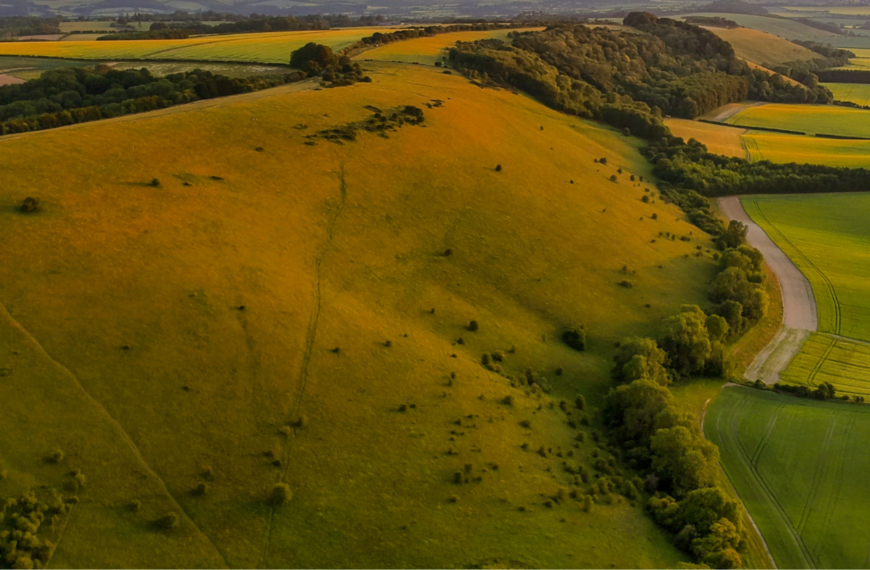
That is where CSCF comes in, and it is the heart of this episode. Paul explains the idea behind it using an image that sticks: lighting a beacon. In the past, when a threat appeared on one hilltop, a fire was lit so the next community along could see it coming and prepare. CSCF does the same job for the modern countryside, an instant, web-based alert system that lets anyone, farmers, gamekeepers, landowners, rural pubs, tourism and leisure businesses, even churches and parish councils, report an incident and have every signed-up neighbour warned almost immediately. It solves the problem that WhatsApp groups never could: there is always someone just outside the boundary who never gets the message. With CSCF, the goal is that nobody is left uninformed, because the wider and more connected the network, the harder it becomes for offenders to move quietly from one unprotected site to the next.
The episode is also full of the kind of practical, on-the-ground detail that makes the risk real rather than abstract. Frank shares stories straight from his farm security walks: cameras thick with cobwebs that had not recorded a usable frame in months, sensor lights disabled because they were annoying a neighbour, and a full sixteen-camera system that the owner had simply stopped checking because it was never configured properly in the first place. Good kit, installed badly or left unmaintained, gives farmers a comforting illusion of protection while doing nothing to reduce the crime risk. Paul’s response is refreshingly sensible: this is not about turning your farm into a fortress, and it is not about scaring anyone into submission. It is about proportionate, considered decisions, made with decent information, so that a farmyard’s defences match its real crime risk rather than guesswork or wishful thinking.
Frank and Paul also talk candidly about where this is heading, including how CSCF is starting to feed into the wider Demeter Initiative, a national, collaborative approach to reducing rural crime that goes beyond information sharing into shared learning, training and signposting to what genuinely works. There is honest discussion, too, about how hard it is to shift attitudes across a hardworking, self-reliant farming community, and why waiting until equipment or livestock has already gone is always the more painful and more expensive path.
That is really the choice this episode puts in front of you. You can carry on relying on an insurance excess, a camera you have not checked in months, and the hope that criminals target somebody else’s yard first. Or you can listen to this conversation, understand exactly why the current picture of rural crime is so incomplete, and take five minutes afterwards to sign up to CSCF at cscf.co.uk. Membership is free, for uploading incidents and for receiving alerts alike, and every additional farm, business or landowner who joins makes the whole network stronger for everyone else on it. The best outcome from listening is not just being better informed. It is joining the beacon chain yourself, so that when trouble does show up nearby, you hear about it in time to act, rather than finding out afterwards and simply having to deal with the consequences.