Protecting the Farm Shop: Why Farmyard Security Starts at the Gate
Insights from Episode 15 of the Rural SafeGuard podcast, “Close the Farm Gate,” with hosts Frank Cannon and Charlie Frank.
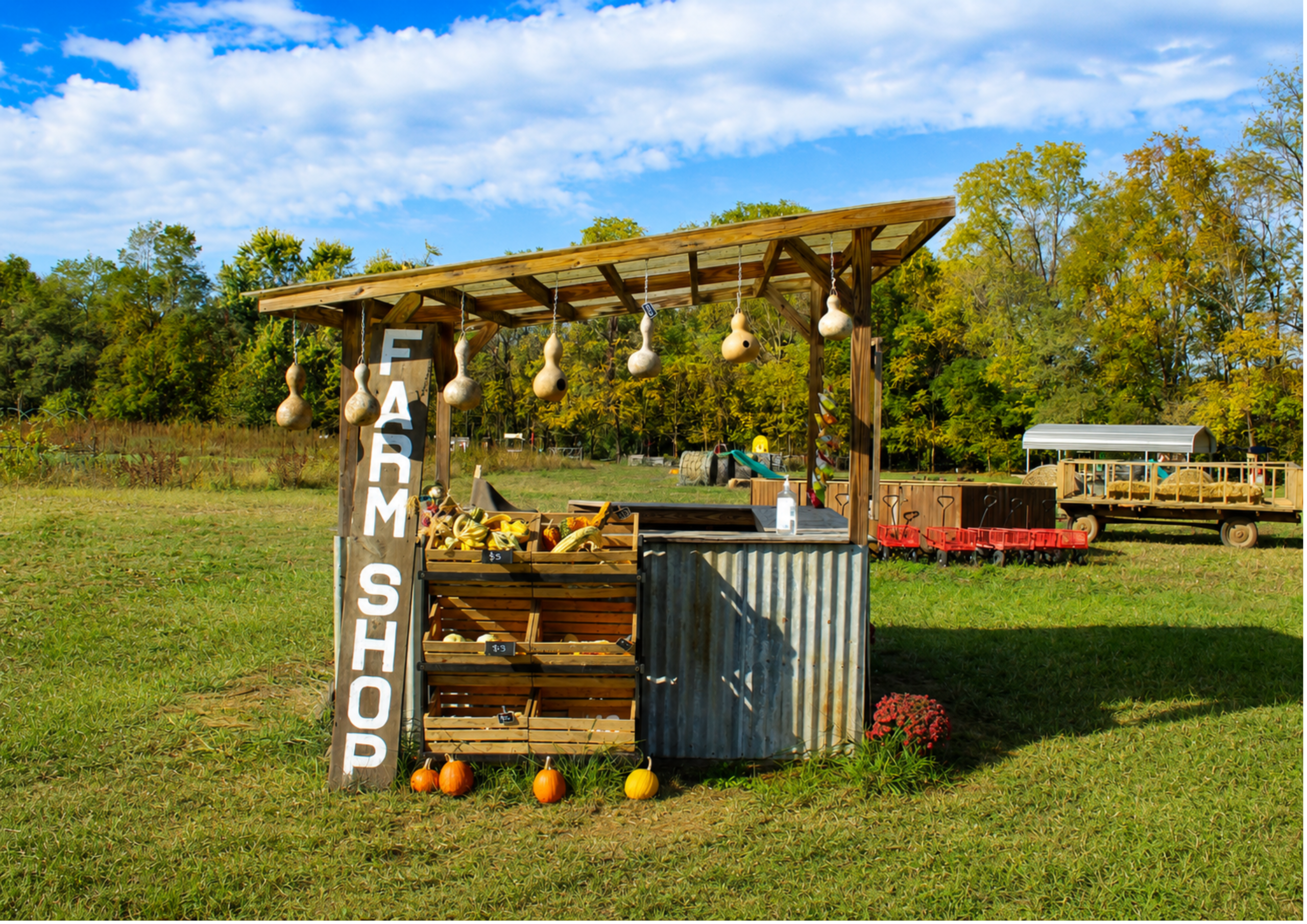
Farm shops have become one of the great success stories of rural diversification, contributing an estimated £1.4 billion a year to the UK economy. But that success has brought unwanted attention. In Episode 15 of the Rural SafeGuard podcast, “Close the Farm Gate,” hosts Frank Cannon and Charlie Frank turned their attention to the security risks facing farm shops — and what owners can do about them. Both are Chartered Security Professionals who draw on years of protective security experience across multiple sectors to help farmers defend their farmyards, and everything within them: vehicles, equipment, data, livestock, and materials. Protecting a farm shop sitting within a working farmyard is, in their view, simply part of the broader task of protecting farm buildings.
The Problem
The scale of the issue is striking. Citing NFU Mutual data, the hosts noted that 90% of rural farm shops have been targeted by criminals in the past year, with a quarter of those hit more than six times, costing affected businesses an average of £83,409 annually. The human cost is just as serious: 46% of staff have faced verbal abuse and 25% have experienced physical incidents during break-ins or thefts. Crucially, the threat isn’t only external. Almost 30% of rural retailers reported goods or cash stolen by an employee — often the result of complacency, misplaced trust, and a lack of process rather than deliberate organised crime.
Farm shops sit in an awkward middle ground. Unlike a fully closed farmyard that can be locked down overnight, a shop needs its gates open during the day to invite customers in. That openness, the hosts explained, gives would-be offenders a legitimate reason to walk the site, note camera positions, and plan an attack — all without raising suspicion.
The Solution
Charlie and Frank set out a layered approach, starting at the farm gate and working inward:
- Control vehicle access. Use one-way routes, clear signage, and physical measures such as bollards or planters to stop vehicles being used to ram or force entry, while keeping the approach visually attractive.
- Define public and private space. Simple boundaries — estate fencing, rope barriers, or signage — tell visitors where they can and can’t go, reducing both theft opportunity and health and safety risk from machinery, animals, or slurry pits.
- Treat the building as a six-sided cube. Protection shouldn’t stop at the four walls; roofs, skylights, and floors are common weak points that are often overlooked.
- Layer your technology. CCTV, perimeter intruder detection, and internal alarms working together — ideally on separate power supplies — give resilience if one system is compromised. Automatic number plate recognition is now inexpensive and effective for use at the farm gate. Audible deterrent needs to be assessed for its impact on livestock.
- Consider deterrent and forensic systems. Fogging systems and forensic DNA sprays can make stolen goods unusable or trace an offender to the scene.
- Train staff to notice the unusual. Free resources such as the ACT (Action Counters Terrorism) e-learning and the “See, Check and Notify” (SCaN) approach help staff spot behaviour that doesn’t match the normal pattern of a shop — and respond calmly and safely. Coffee shop workers can also learn about response to anti-social behaviour by watching this video.
The hosts were clear that good equipment only works if it is configured, installed, and maintained properly — several of the failures they described came down to poor placement, neglected maintenance, or forgotten subscription fees rather than a lack of investment.
Other Considerations
Security spending should be built into the business plan from the outset, including installation, maintenance, and any recurring subscription costs — not just the initial purchase price, particularly where grant funding only covers equipment costs. Farm shops hosting events, cafes, or larger gatherings should also be aware of the Terrorism (Protection of Premises) Act 2025, sometimes called Martin’s Law, which sets duties for premises expecting 200 or more people, with enhanced requirements above 799. Staff safety matters too: de-escalation, not confrontation, should guide any response to theft, and a laminated incident card with the location’s what3words reference can help the emergency services find you quickly.
Above all, Charlie and Frank were keen to stress that the goal isn’t to turn farmyards into fortresses. Welcoming the public to a farm shop remains a hugely positive way to connect communities with how food is produced. The aim is simply good planning: understanding the foreseeable risks and having a considered, proportionate response in place.
You can hear the full discussion in Episode 15 of the Rural SafeGuard podcast, “Close the Farm Gate,” with more guidance available at www.ruralsafeguard.com.